Weekly
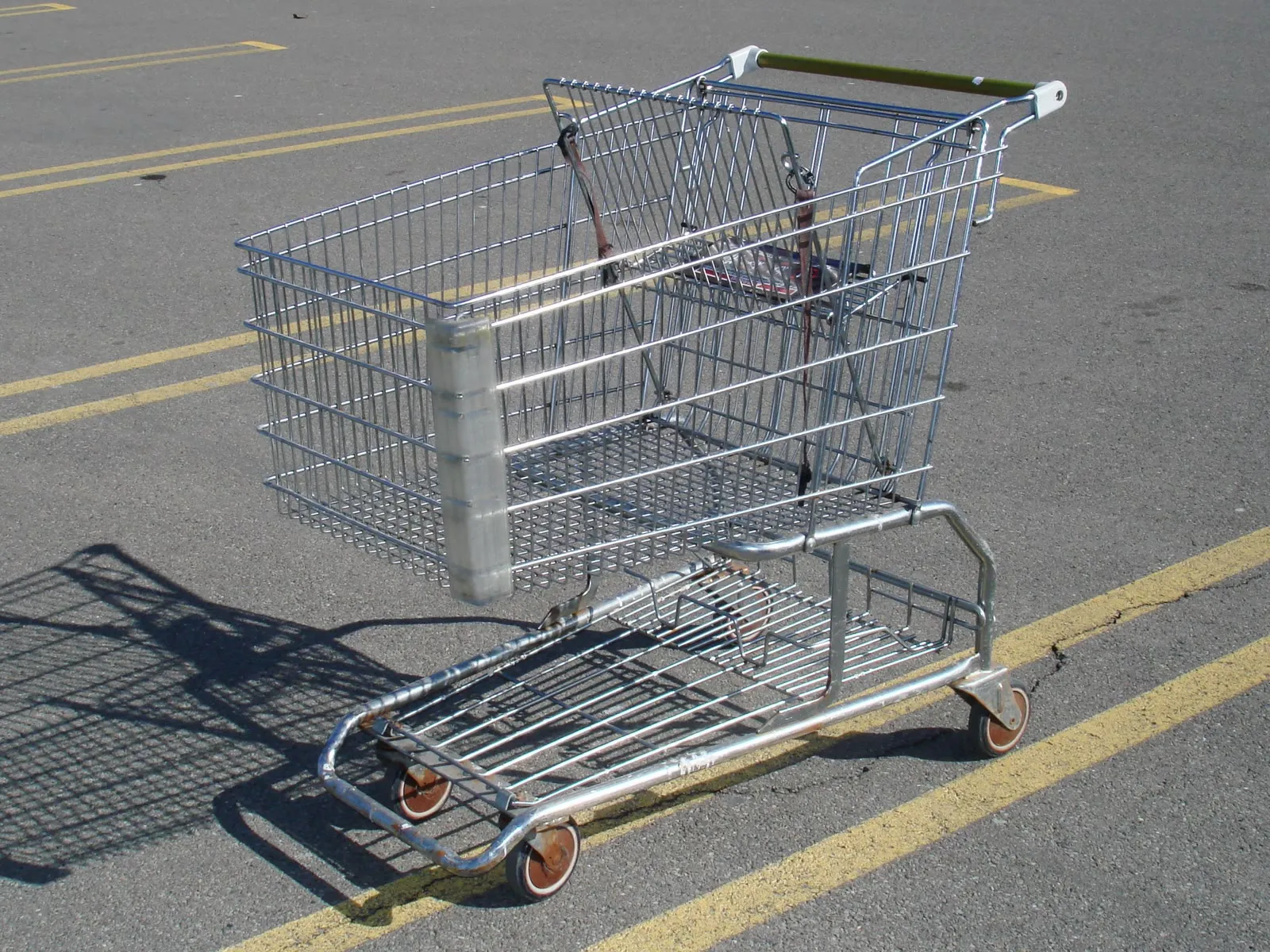
Weekly (Issue 14): A 343% dumping claim, a freight slide and seven days to the tariff cliff
Shopping carts hit with a 165-343% dumping claim, chassis orders survive their sunset review, transpacific rates post their steepest weekly fall since June 2025, and China's October PMI slips to 49.3 with the 178 Section 301 exclusions seven days from expiry.
Weekly (Issue 13): A Two-Month Reprieve, One Deadline That Didn't Move
USTR proposes a two-month extension of the Section 301 maritime fees and cargo-handling-equipment duties through January 9, 2027, while the 178 product exclusions stay on their November 9 cliff. Also this week: Xeneta calls the top on transpacific rates, China takes EU apparel share as Bangladesh slides, Made-in-China pushes AI deeper into sourcing, and DBS finds 88% of large corporates already deploying tokenised money.
Weekly (Issue 12): Tariffs Face the Courts
The first Section 338 lawsuit lands at the CIT, the November 9-10 Section 301 deadlines approach with no extension published, MOFCOM proposes export controls on 12 solar manufacturing technologies, and the OCC finalizes GENIUS Act stablecoin rules effective January 18, 2027.

Weekly (Issue 11): China's Trade Surplus Sprints Toward $1 Trillion
China's trade surplus sprinted toward $1 trillion, transpacific container rates held near 2022 highs while carriers blanked 93,700 TEU doubting the rally, Beijing logged 4.5% Q3 growth on a 5.5% jump in industrial output, Acer warned PC prices could climb up to 20% on memory costs, and Ethiopia's central bank joined the PAPSS payment network.
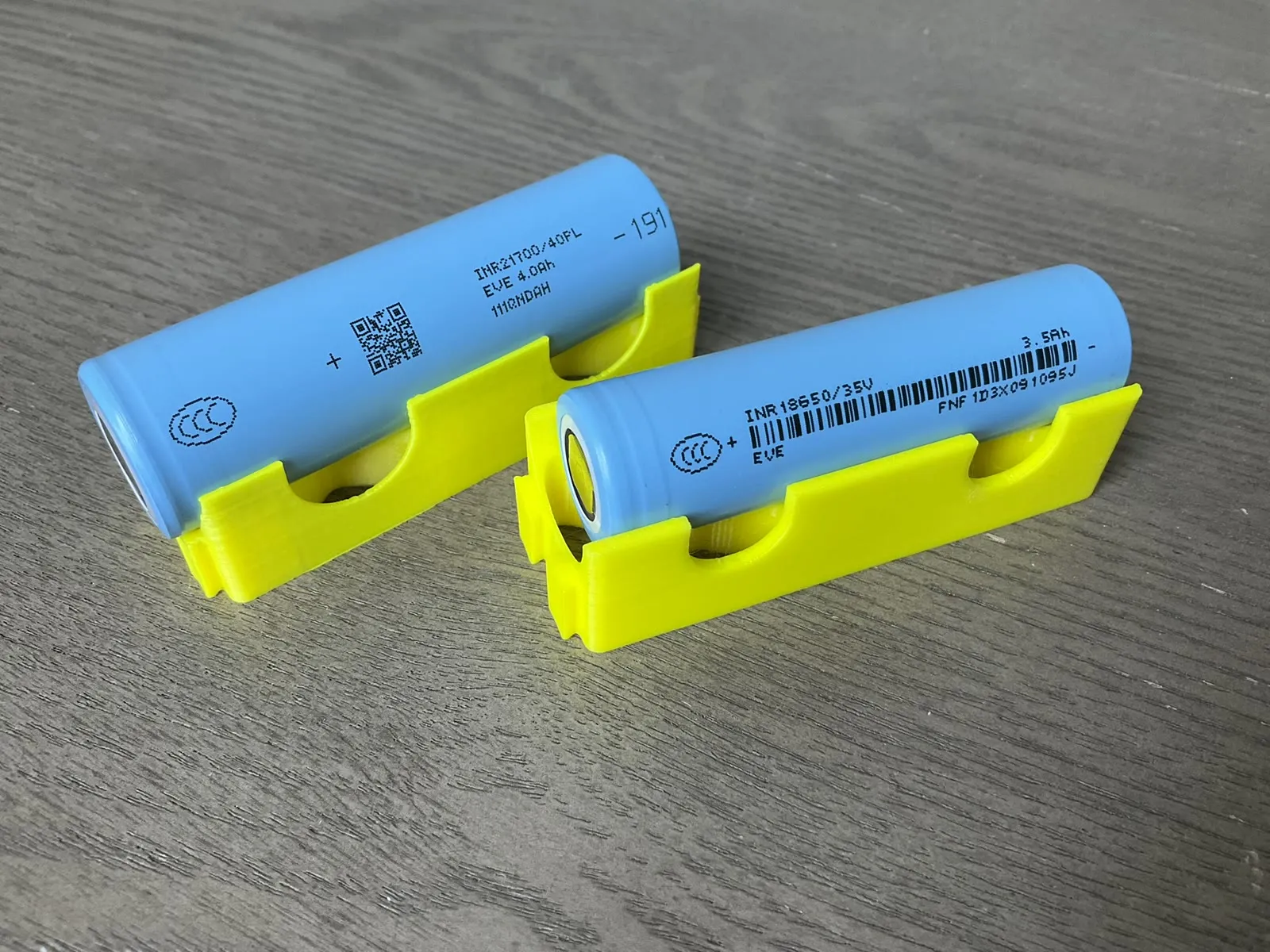
Weekly (Issue 10): BMW's Gen6 Battery Line Starts in Shenyang
BMW began sixth-generation battery production in Shenyang, Drewry's container index snapped a 13-week slide on Asia-Europe, Washington finalised countervailing duties on Chinese truck bed covers, and Counterpoint logged a 14-year low in global smartphone shipments.
Weekly (Issue 9): Five November Dates the Truce Does Not Cover
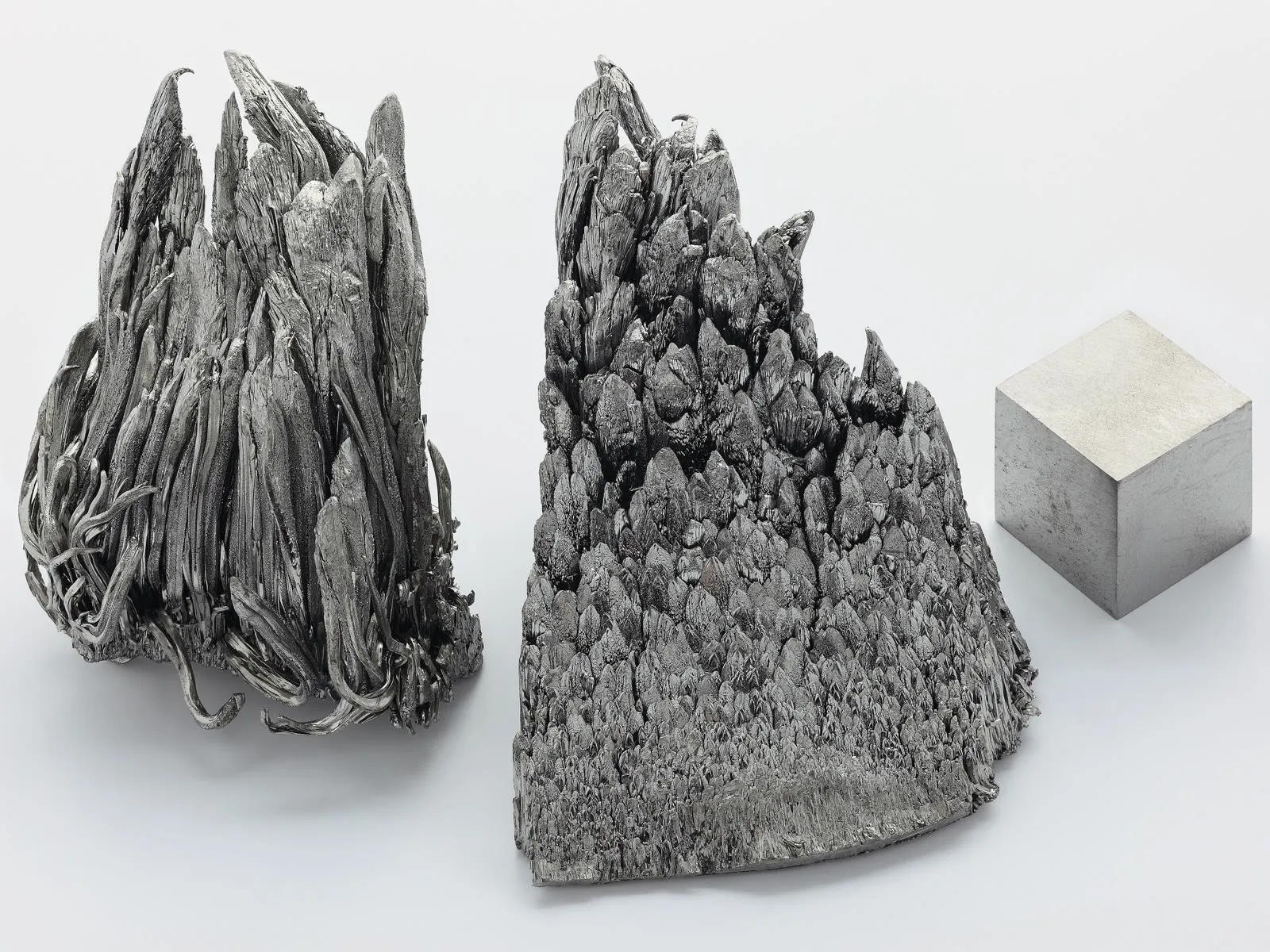
The U.S.-China truce runs to January 10, 2027, but four separate measures resolve on November 9 and 10 and not one of them is contingent on how the truce plays out: the BIS Affiliates Rule reinstates automatically, the Section 301 port-fee suspension ends, the last 178 exclusions expire, and China's expanded rare-earth controls take effect. China adds five more rare earth elements to its licence list while fewer than a quarter of European applications clear, USTR confirms the 2018 Section 301 duties survived their four-year anniversary on 162 continuation requests, transpacific spot rates hold near 12-month highs, and Q4 memory contract prices are confirmed upward at 10 to 15 percent for DRAM and 15 to 20 percent for NAND.
Weekly (Issue 8): Two Section 301 Clocks Run to November 9
Two Section 301 clocks run to the same date: USTR's suspension of the port fees on Chinese-owned, Chinese-operated and Chinese-built vessels, and the agency's current product exclusions, both expire at 11:59 p.m. Eastern on November 9 with no Federal Register notice extending either. The EU sets a EUR 2-per-item handling fee from November 1, the USMCA review docket opens, Suez, Panama and Hormuz all improve at once, and Counterpoint now expects 230 million budget smartphones a year to disappear by 2030.

Weekly (Issue 7): 30-for-30 Framework Lands as Pharma Tariffs Go Fully Live
Washington and Beijing unveiled a 30-for-30 framework that would cut tariffs on roughly $30 billion of goods each way — but no rate has changed and USTR's Section 301 exclusions still expire on November 9. October brings a higher Merchandise Processing Fee, CAPE Phase 3 refunds, a live 100% pharma Section 232 tariff, a twelfth straight weekly fall in Asia–Europe container rates, and TrendForce's call for another 10–15% rise in Q4 DRAM contract prices.
Weekly (Issue 6): Secondary Tariff Risk Lands as Transpacific Rates Break $10K
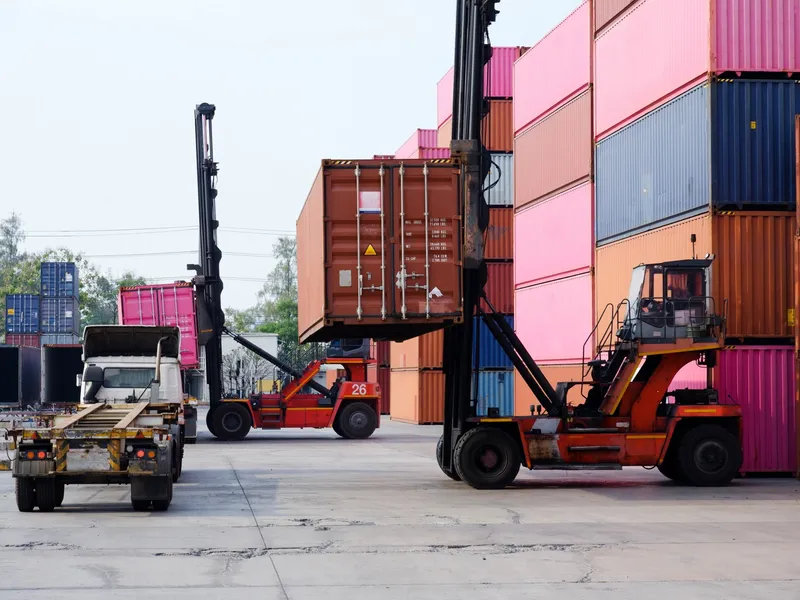
The US signs a Russia sanctions act that opens the door to 100% secondary tariffs on the largest buyers of Russian oil, with China and India both in scope, while Washington and Beijing extend the Busan truce to January 2027. Transpacific spot rates break $10,000 to New York, September becomes the busiest US import month of 2026, and memory costs keep rewriting holiday pricing.

Weekly (Issue 5): October Blankings Hit 11% as 50% Canada Tariffs Land
Carriers have already blanked 11% of sailings in the September 14 to October 18 window as Golden Week approaches and Shanghai berth waits stretch to 12 days, while Washington widened its 50% Section 338 tariffs on Canada on September 15 and CBP moves low-value parcel clearance to fully electronic entry on September 22. UBTECH's Liuzhou plant is now producing one humanoid every ten minutes, and three desktop five-axis CNC machines each cleared US$1M on Kickstarter.
Weekly (Issue 4): Golden Week Meets $11K Freight as Memory Costs Bite Holiday Sourcing
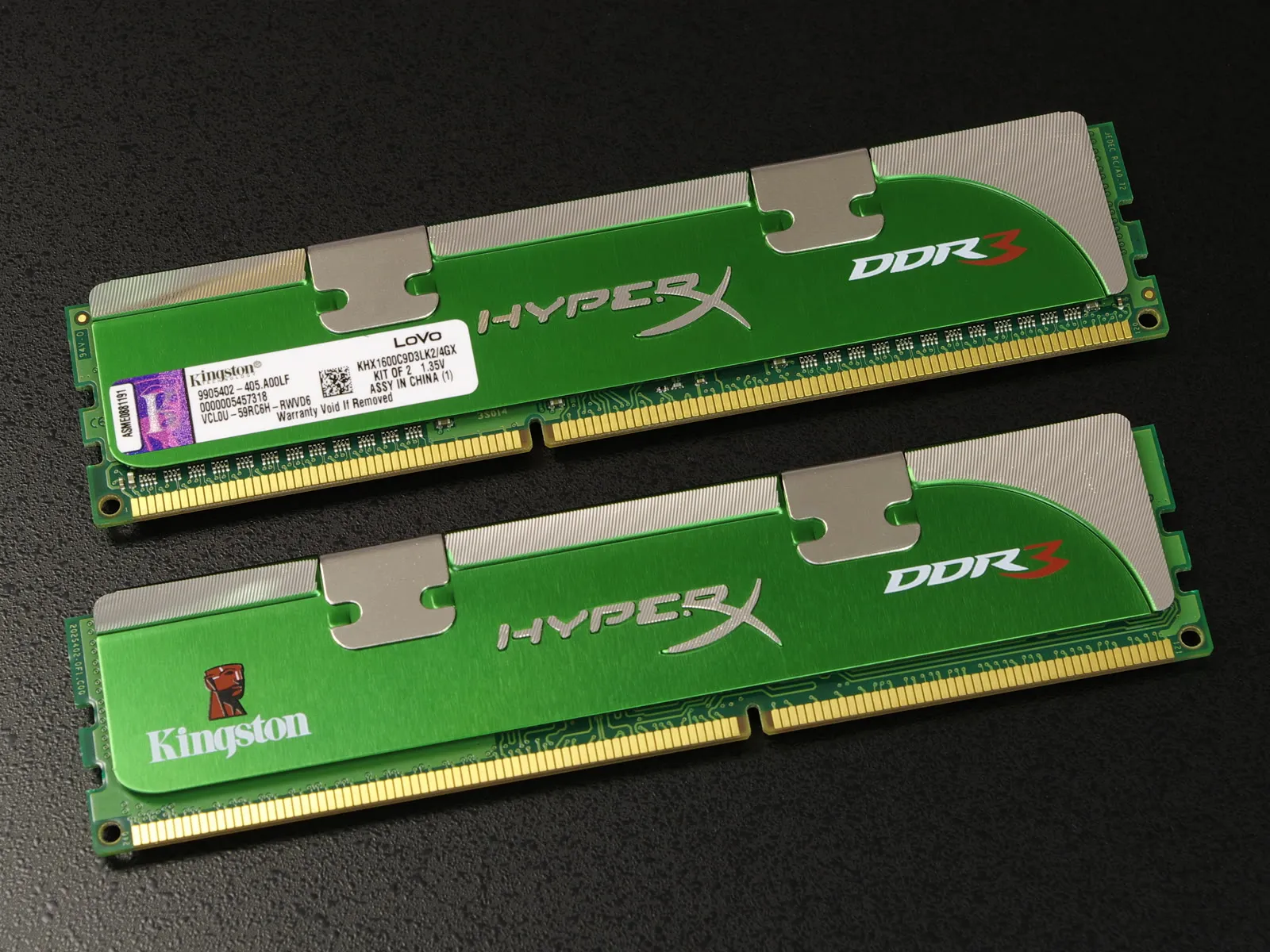
Transpacific spot rates break US$10,000/FEU for a sixth straight weekly gain while North American peak-season deadlines collide with China's compressed Mid-Autumn / Golden Week window; tariff front-loaders face a new 12.5% Section 301 floor and Canada's reciprocal list landing September 8, while memory-driven handset BOM inflation and a 21-bank dollar stablecoin move reshape the 2026 holiday sourcing math.
Weekly (Issue 3): Freight Breaks $10K as Q4 Sourcing Clock Runs Out
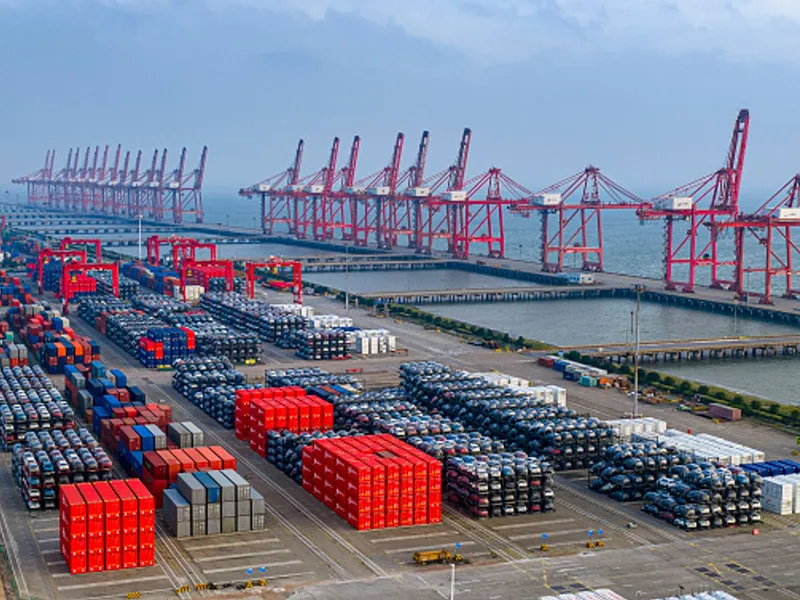
Tariffs move from policy to practice this week: a 100% Section 232 drone tariff takes effect on Sept 3, Canada readies dollar-for-dollar retaliation for Sept 8, and a 216% Chinese bedroom furniture antidumping rate locks in after sunset review. Transpacific spot rates hold above US$10,000/FEU on the USEC as Typhoon Saudel disruption layers onto structural Panama Canal cuts; China's factory PMI holds at 51.5 with the first 2026 output-price cut. Korea ships its first stablecoin-to-won export settlement, and three new crowdfunding launches clear their goals in days, not weeks.
Weekly (Issue 2): Tariffs, Freight Spikes & the AI Sourcing Shift
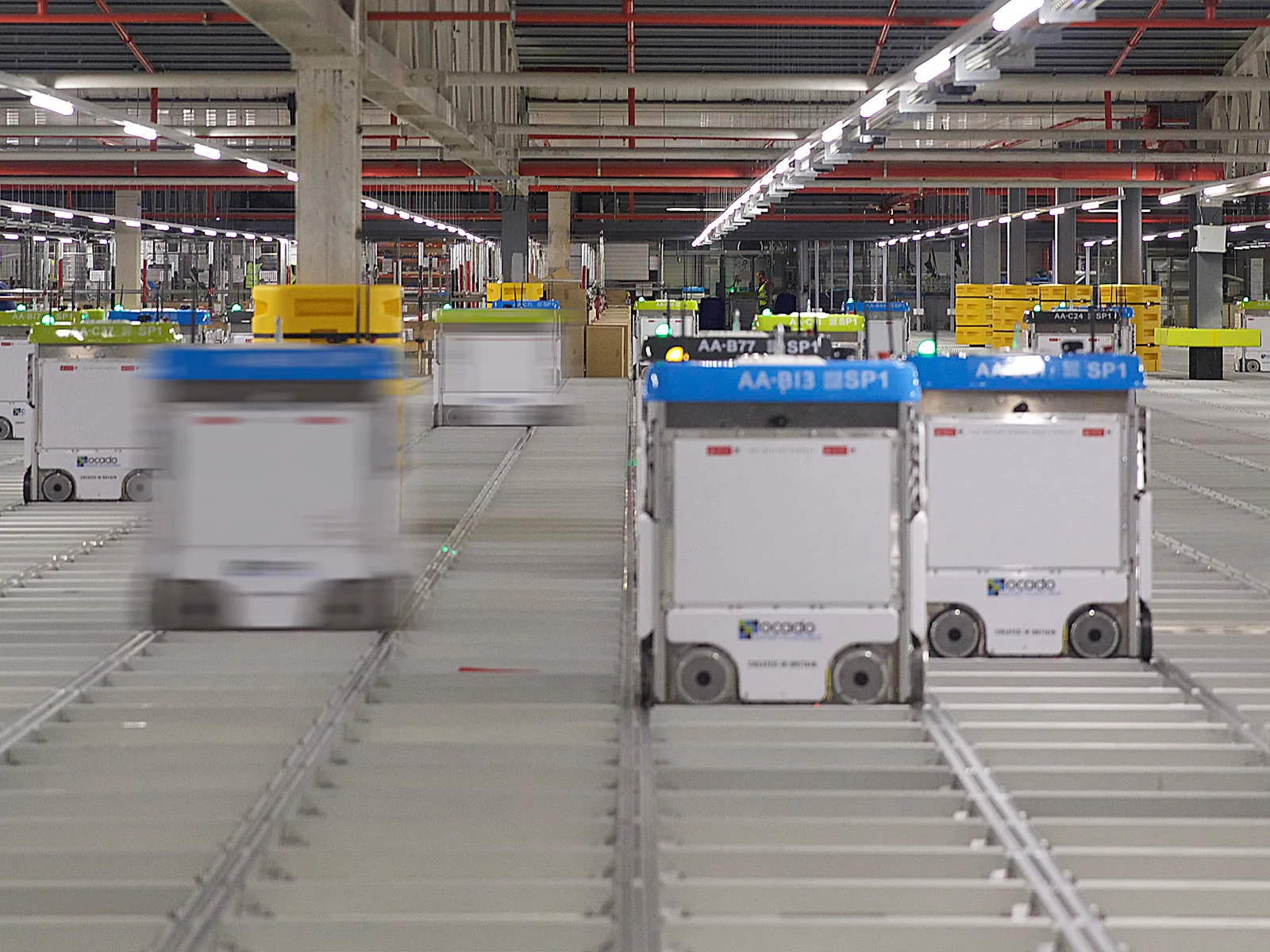
This week: Section 232 metals and polysilicon tariffs widen the duty net while EU BEV countervailing duties lock in through 2029 — just as transpacific spot rates hit new highs near US$9,400/FEU. Freight congestion and a wave of AI sourcing tools are reshaping how buyers screen suppliers, negotiate, and settle across borders.
Weekly (Issue 1): Tariff Squeeze & Freight Crunch — What Buyers Should Watch This Week
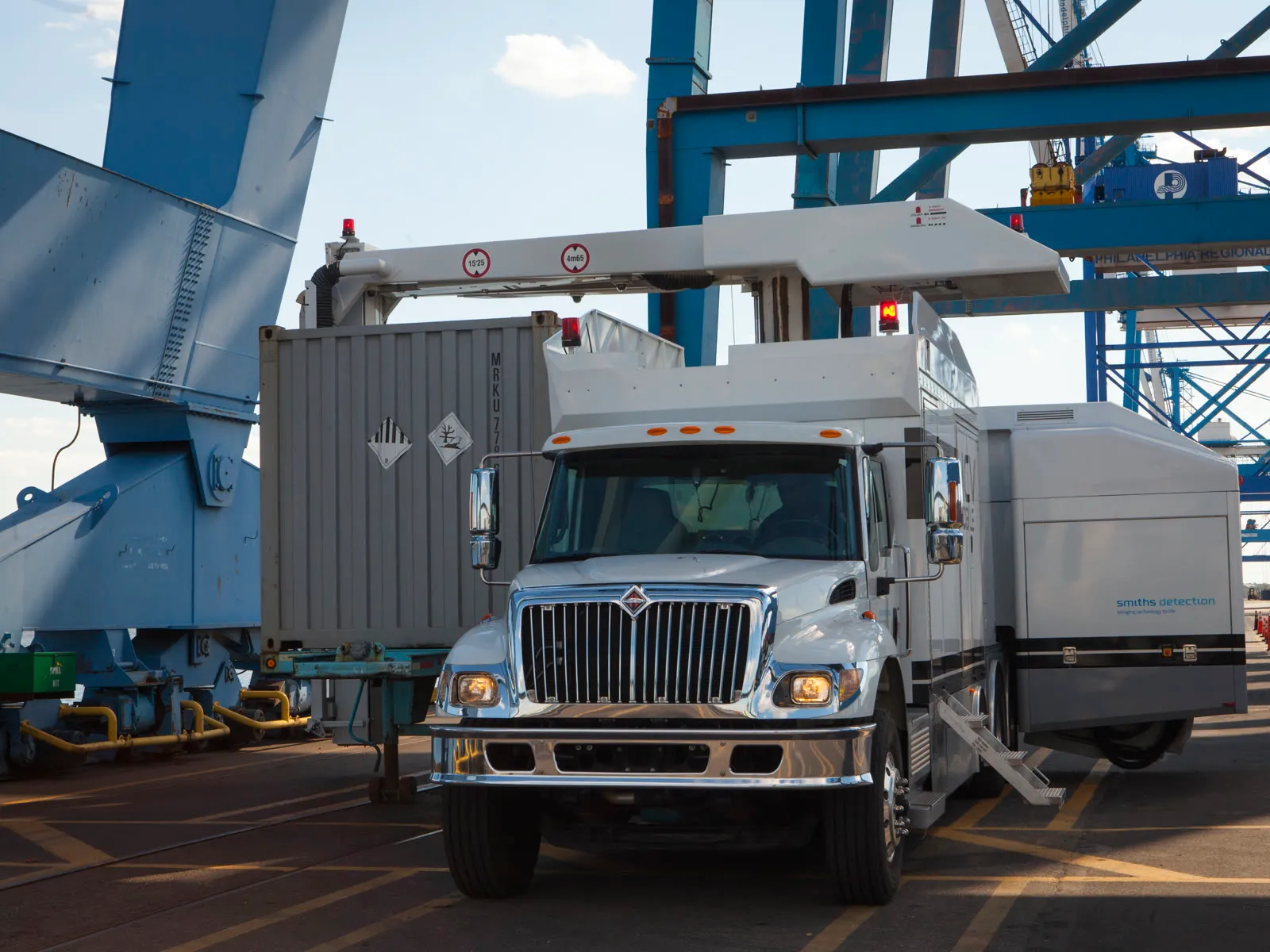
US drone tariffs of up to 100% and a looming ILA East Coast port strike squeeze Q4 landed costs and lead times. Transpacific rates rebound on front-loading, while Asia's regulated stablecoin rails and AI-driven supplier screening reshape how buyers will source, screen, and pay in 2027.